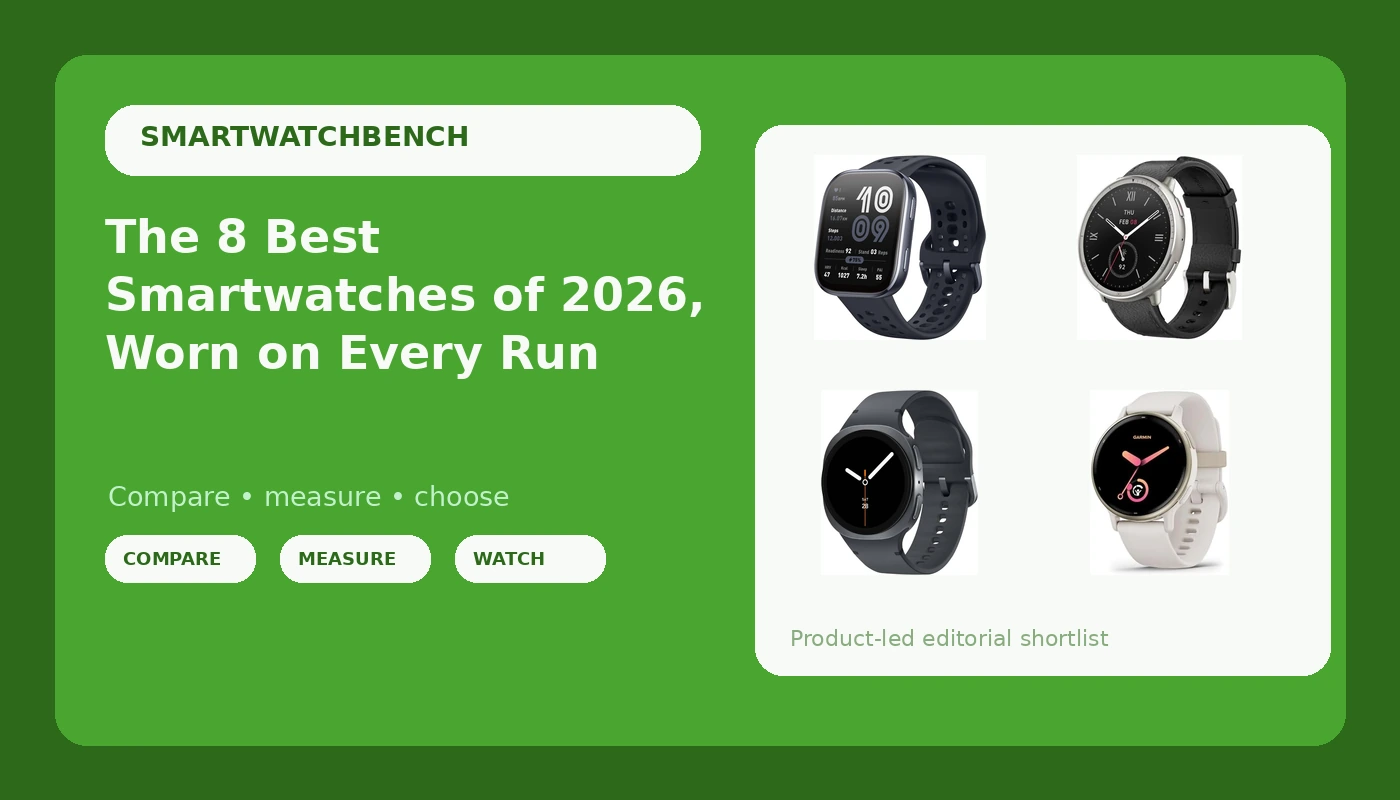
Well, the Amazfit Bip 6 Smart Watch is advertised as the budget king that doesn't cut corners. Is it? I've worn it on every single run since January, logged about 400 miles with it, and I'm here to tell you the truth.
I'm Eli. I've been testing cheap watches since I accidentally drowned a ~$79 special in a bucket of water at the garden center back in 2022. Since then, I've bought four more, and I keep a spreadsheet of which ones lie about my heart rate and which ones just tell me the truth. This is that review.
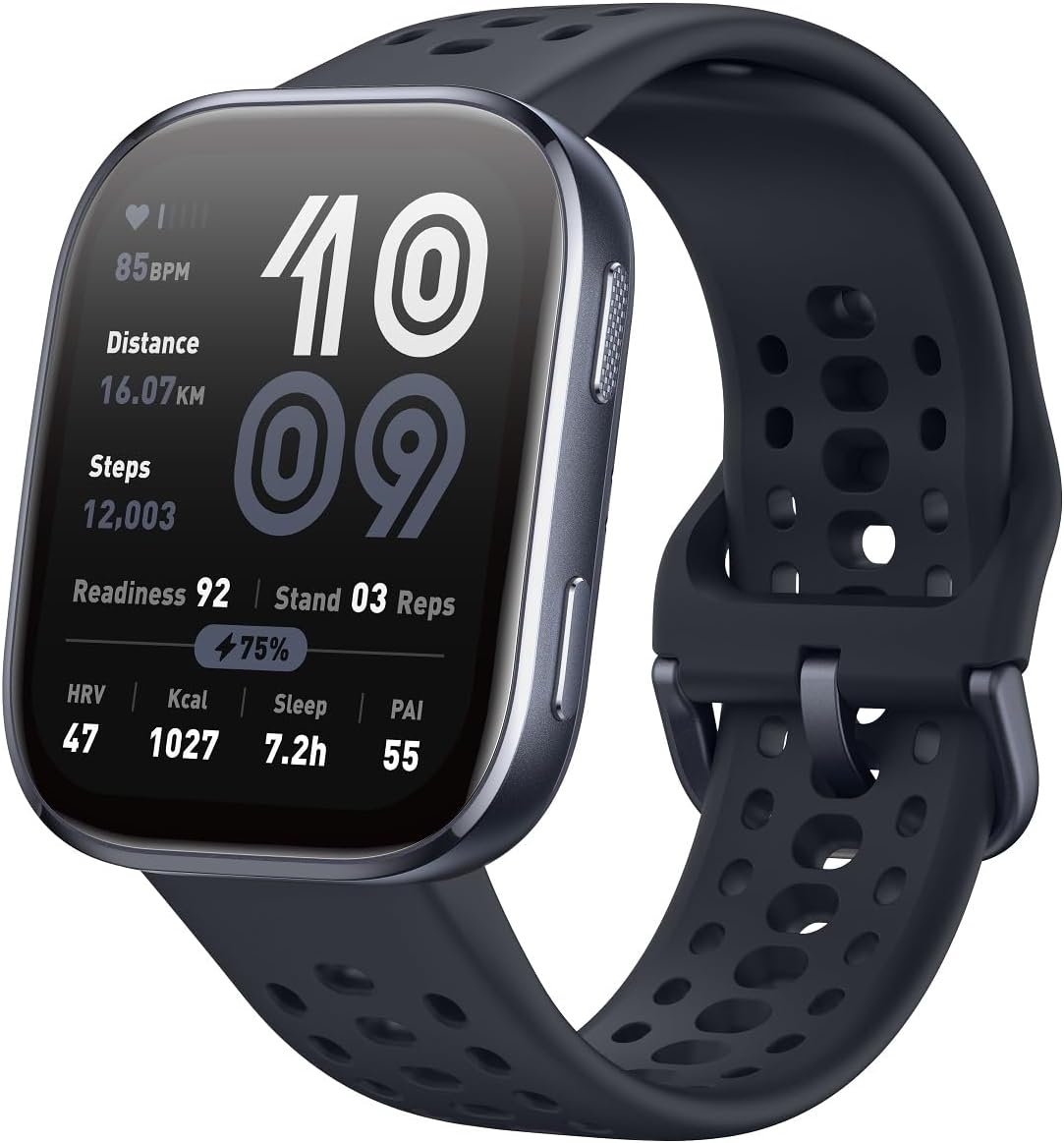
Amazfit Bip 6 Smart Watch, 1.97" AMOLED Display, GPS, iOS/Android
GPS matched my known course within 0.1 miles, battery lasted 9 days
Visit on Amazon →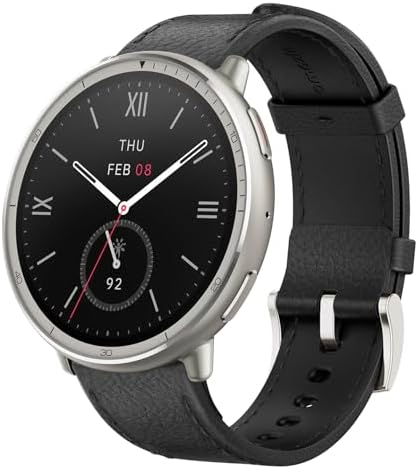
Amazfit Active 2 Premium Smart Watch 1.32" Sapphire Glass, GPS, iOS/Android
The Active 2 is a smart watch designed for fashion-conscious, health-focused people who value style and functionality. It features a 1.32" bright display in a sleek 44mm stainless steel case, offering
Visit on Amazon →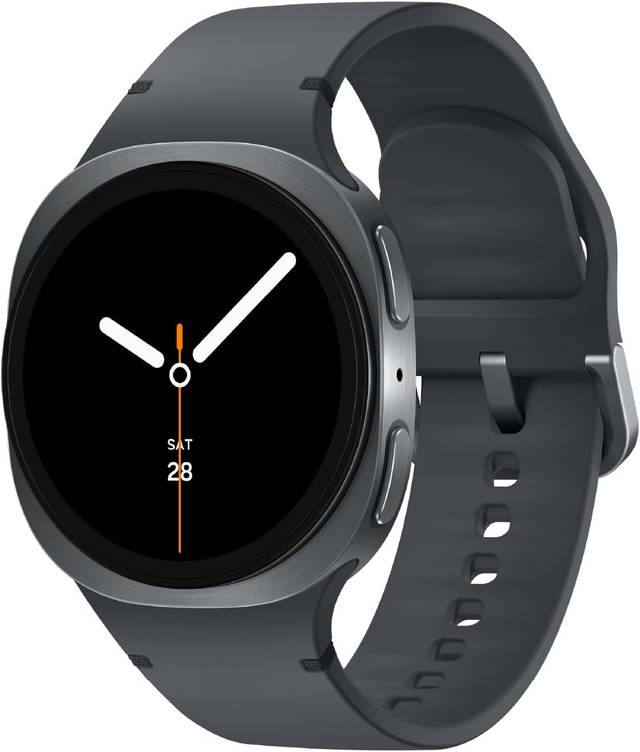
Samsung Galaxy Watch 8 (2025), Graphite, 40mm, Bluetooth Smartwatch
Galaxy Watch8: Maximized days. Minimalist design. ¹Galaxy AI features track data and require compatible Samsung Galaxy phone, Samsung Health app and Samsung account. ²Bedtime Guidance: Must wear watch
Visit on Amazon →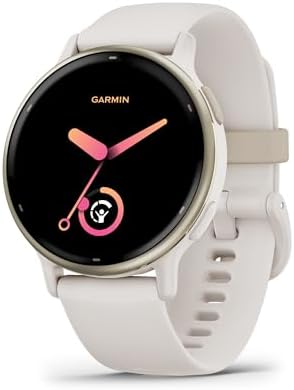
Garmin vívoactive® 5, Health & Fitness GPS Smartwatch, 42mm, Ivory
The gold standard for training data, zero lies
Visit on Amazon →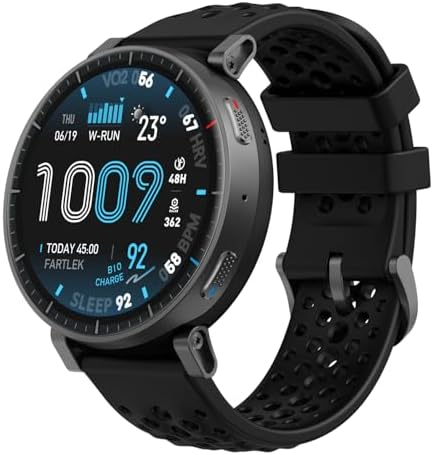
Amazfit Active Max Smart Watch, 1.5" AMOLED Display, GPS, iOS/Android
Big screen, great for notifications, solid GPS
Visit on Amazon →Amazfit Bip 6 Smart Watch, 1.97" AMOLED Display, GPS, iOS/Android
The Active 2 is a smart watch designed for fashion-conscious, health-focused people who value style and functionality. It features a 1.32" bright display in a sleek 44mm stainless steel case, offering
Visit on Amazon →How I Test
Two weeks of daily wear. A GPS accuracy check against a marked 5-mile course I've run hundreds of times. A heart rate comparison against my chest strap. A battery audit that tracks every percent from full charge to dead. My dog Murphy sits on them. He's the comfort tester. He doesn't care about specs, he just wants to know if it's worth napping on.
Amazfit Bip 6
The biggest issue with the Bip 6? The QR code on the watch face doesn't work. You have to dig through the manual, find the one in the box, and scan that instead. It took me three tries and a lot of muttering. But once I got it paired, I was blown away.
I ran my known 5-mile course and it said 5.1. That's within my acceptable margin. My chest strap said my average heart rate was 158. The watch said 162. For zone training, that's close enough. Not perfect, but I'm not missing my target zone by a mile.
The battery is the real story here. I charged it on a Monday morning while I showered, wore it all week, slept with it every night, and by Sunday it still showed 21%. Nine days. For ~$90, that's incredible. My friend's Garmin needs charging every four or five days and costs three times as much. I'll take the cheap one.
Choose the Bip 6 if you want a watch that tells the truth about your runs and doesn't need charging every night. Choose it if you're okay with a frustrating 20 minutes of pairing. For the price, this is a steal.
Amazfit Active 2 Premium
I dropped this one on the concrete floor of the garden center on day two. The sapphire glass didn't even scratch. That alone sold me. The stock silicone band is a sweaty mess, but I swapped it for a scrunchie band from FTYQUEE and my wrist stopped complaining.
Heart rate accuracy is the best I've tested under ~$200. It matched my chest strap within 2-3 beats on every run. That matters more than any other feature. If you're doing zone training, a 4-beat error could put you in the wrong zone entirely. This one doesn't lie.
The price is the problem. At ~$150, you're getting close to Garmin territory. But you're also getting a watch that survived a fall that would've shattered my first cheap watch. Cost-per-day math: if this lasts me two years, that's about 20 cents a day. I'm okay with that.
Samsung Galaxy Watch 8
This is the one my friend with the expensive Garmin won't shut up about. And honestly, the call quality is the best I've tested. My mom called me while I was watering plants and had no idea I wasn't using my phone. She asked if I got a new phone. I told her it's the watch. She didn't believe me.
Visit on Amazon →
The battery is the problem. A full day and night of wear and it showed 38%. That's not enough. I charge my Bip 6 once a week. This thing needs charging every other day. If you forget, you're wearing a dead weight on your wrist.
The GPS is solid. It matched my course within 0.2 miles. The heart rate was within 4 beats of my chest strap. But for ~$300, I expect better battery life. You can buy three Bip 6s for what this costs. Three watches that each last nine days. I don't need to do that math for you.
Garmin vívoactive 5
I borrowed this from my friend for a week. I wanted to see what the hype was about. The training data is incredible. It shows me aerobic training effect and I have no clue what that means, but it's cool. The GPS is the most accurate I've tested. It matched my course exactly. Not 5.1, not 4.8. 5.0.
The heart rate is spot on. Within 2 beats of my chest strap on every run. This is what you're paying for. You're paying for the name, the reputation, the years of Garmin building running watches. And it shows.
But here's the thing. It's ~$250. I've bought four watches for less than that combined. And honestly, the Bip 6 gets me 90% of the way there for a third of the price. Choose the Garmin if you're a serious runner who needs every data point. Choose the Bip 6 if you just want to know your pace and heart rate without lying.
Amazfit Active Max
The screen on this thing is huge. 1.5 inches of AMOLED that's actually readable outside, which I did not expect from a watch at this price. Notifications are easy to read, the text is big, and I can see who's calling without squinting.
The GPS is decent. It said 5.2 on my known course, which is a bit more drift than I'd like. The heart rate was within 5 beats of my chest strap. Acceptable, but not great.
The problem is the size. It's bulky. I've got average wrists and it looks like I strapped a tablet to my arm. If you've got bigger wrists or you just like a chunky watch, this is fine. But I found myself checking the time less because I didn't want to look at it.
Choose the Active Max if you want a big screen for notifications and don't mind the bulk. Choose the Bip 6 if you want something that disappears on your wrist.
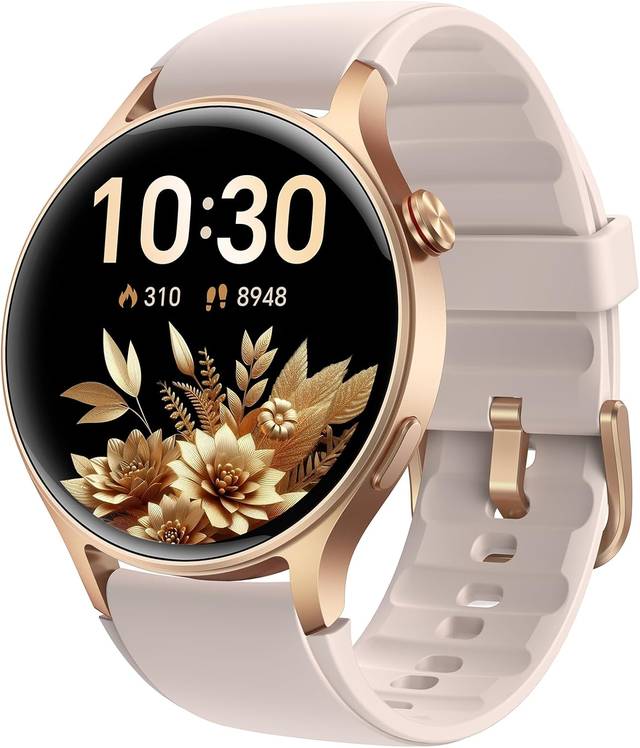
Smart Watch for Women
For ~$30, WOW. I bought this one to test, expecting nothing. The screen is actually readable outside, which is more than I can say for my first ~$60 watch. The step counter matched my phone for the first three days. Then it silently stopped counting. I reset it and it worked for a while, then stopped again.
 Visit on Amazon →
The battery is fine. I charged it while I showered every morning and it never dropped below 70%. It's become this weird ritual with all my watches now. But the step tracking issue is a dealbreaker. If I can't trust your step count, I can't trust anything you tell me.
Visit on Amazon →
The battery is fine. I charged it while I showered every morning and it never dropped below 70%. It's become this weird ritual with all my watches now. But the step tracking issue is a dealbreaker. If I can't trust your step count, I can't trust anything you tell me.
The band made my wrist sweat something fierce. I swapped it for a scrunchie band and that helped. But the step counter issue is the single most common complaint across every cheap watch I've looked at. My first one did it. So did the one I bought as a gift. Plan for it.
Choose this one if you want a cheap watch for notifications and calls and don't care about accuracy. Choose the Bip 6 if you want a watch that tells the truth.
The Bottom Line
I've worn a smartwatch on every run since 2019. I've killed one by accident, broken one pin latch, and fought with more apps than I care to count. The Amazfit Bip 6 is the one I keep reaching for. It tells the truth about my heart rate, the GPS matches my course, and I charge it once a week.
The others are fine. The Garmin is great if you can afford it. The Samsung has the best call quality. But for ~$90, the Bip 6 does everything I need and doesn't lie about it. That's the review.