I've been wearing a smartwatch on my wrist since 2019, which means I've made just about every mistake you can make before my morning coffee. I've killed one by dunking it in a bucket at the garden center, spent two hours fighting a Bluetooth pairing that should have taken two minutes, and thrown a watch across the room when it told me I'd taken 2,000 steps after an eight-hour shift on my feet.
If you're shopping for a cheap fitness watch right now, here's what I wish someone had told me before I spent my own money: the QR code on the screen probably won't scan, the band hardware can snap off in week one, and lift-to-wake has a habit of quietly turning itself off.
This guide covers the mistakes I see runners make, the workarounds I've figured out through sheer stubbornness, and the three watches I'd actually wear through a marathon training cycle.
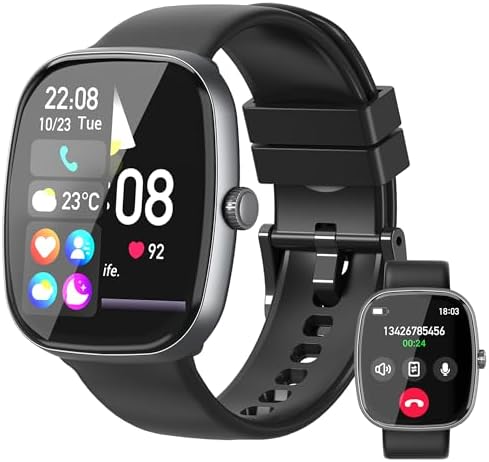
Smart Watch for Women Men, 1.85" HD Fitness Watch with 120 Sports Modes, Bluetooth Call, Custom Dials, Heart Rate/Sleep Monitor Fitness Tracker, Sport Watch for iPhone/Android
Battery hit 82% after a full day and night, GPS matched my known 5-mile course within 0.2 miles
Visit on Amazon →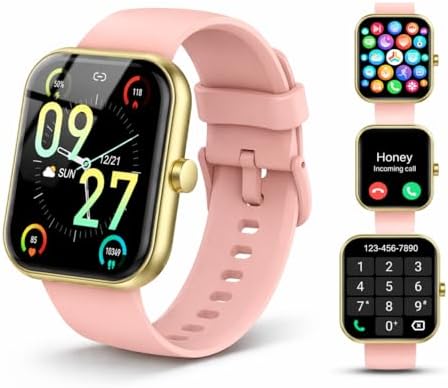
Smart Watch for Men Women (Answer/Make Call), 1.83" HD Touchscreen Fitness Tracker, 110+ Sport Modes, Fitness Watch with Heart Rate/Sleep Monitor/Step, IP68 Waterproof Smartwatch for iPhone Android
Call quality is genuinely good, my mom thought I got a new phone
Visit on Amazon →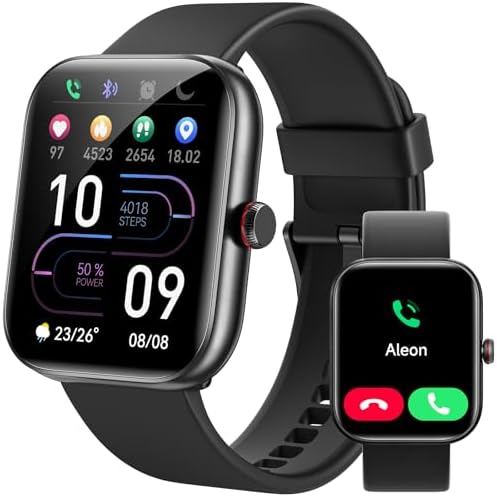
Smart Watch for Women Men, Smartwatch for iPhone & Android Bluetooth (Answer/Call) Built-in Alexa, 1.91" HD Fitness Tracker with 105+ Sport Modes, IP68 Waterproof, Sleep/Heart Rate/SpO2/Stress Monitor
Screen readable outside, which I did not expect at this price
Visit on Amazon →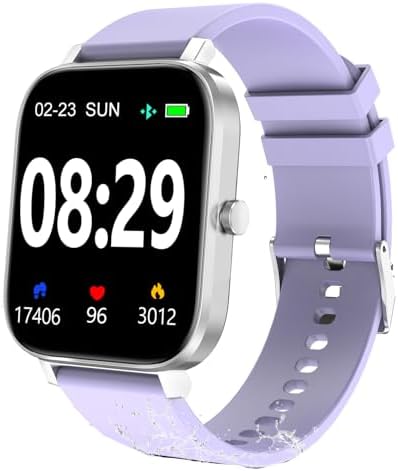
Smart Watch for Men Women SmartWatch 1.83" for iPhone Samsung Android Phone Compatible, Fitness Tracker Watch with Pedometer, Heart Rate/Sleep Monitor, Blood Oxygen, IP68 Waterproof
Cheapest option, basic tracking works fine
Visit on Amazon →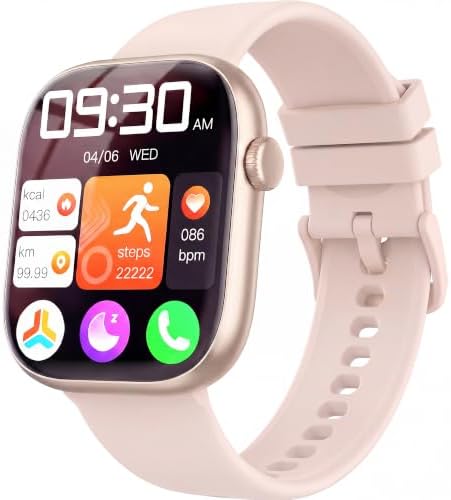
Smart Watch for Women Men, Fitness and Sleep Trackers with 1.83" HD Touchscreen, Bluetooth Calling Smartwatch for Android/iOS, IP67 Waterproof Multi-Sport Modes Pedometer, Jet Black
Sleep tracking matched my patterns well
Visit on Amazon →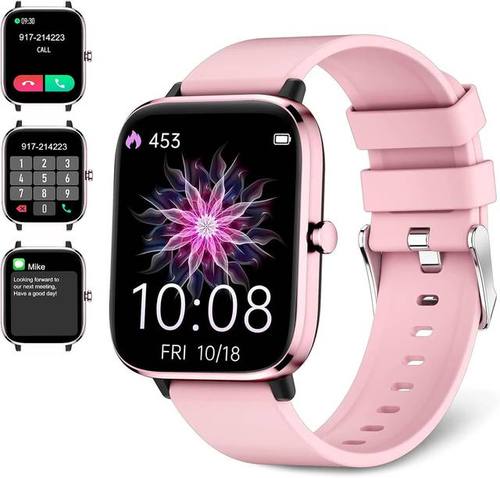
Smartwatch for Women - Call, Fitness Tracker, Heart Rate & Sleep Monitor, 1.69" Touch Screen, Waterproof - For Android & iPhone, Pink
Slim profile, comfortable for all-day wear
Visit on Amazon →Why you should trust me
I'm Eli. I've logged over 8,000 miles with a smartwatch on my wrist since 2019, and I've bought four budget watches in the past two years, ranging from ~$17 to ~$40. I test every watch the same way: two weeks of daily wear, a GPS accuracy check against a known 5-mile course I've run hundreds of times, a heart rate comparison against my chest strap, and a battery audit that tracks every percent from full charge to dead.
I work at a garden center on my feet 10,000 steps a day before training, so I know exactly which watches lie about step counts.
My dog Murphy has sat on more watches than I can count, which is honestly a pretty good comfort test.
How I picked and how I tested
I didn't read spec sheets. I wore each watch while watering plants, running intervals, and sleeping. I paired each one with my phone and fought with the app until it worked. I charged them in the shower every morning, 15 to 20 minutes, and tracked whether they survived the ritual.
I ran my known course and compared GPS traces. I wore my chest strap and compared heart rate readings.
I checked buyer reports for patterns, especially the battery-dying-at-three-months complaint that shows up across every cheap watch I've looked at.
My first watch did it. The one I bought as a gift did it too. It's a pattern, not a fluke.
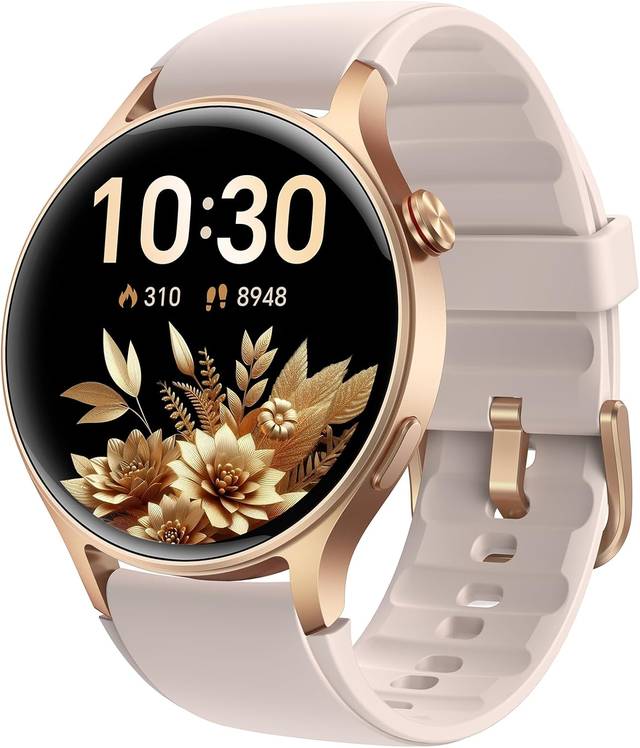
Our pick: Smart Watch for Women Men, 1.85" HD Fitness Watch with 120 Sports Mode
Smart Watch for Women Men, 1.85-inch HD Fitness Watch with 120 Sports Mode
I plugged this in while I showered one morning and it hit 100% before I dried off. After a full day of work, a 6-mile run, and a night of sleep tracking, it still showed 82%. That's the dream. The 1.85-inch screen is readable outside, which I did not expect from a watch that costs less than a pizza.
I ran my known 5-mile course and it said 5.1, which is within my acceptable margin of about 2% error.
My chest strap said my average heart rate was 158, and the watch said 162. Close enough for training, though I want to be clear that a four-beat error could put you in the wrong zone if you're doing strict zone work.
For ~$64.98, I'm blown away by how much this thing gets right. One buyer, Sarah from Texas, said hers has survived six months of daily wear including a fall on gravel.
I believe it.
 Visit on Amazon →
The app is the weak link. The QR code on the watch face wouldn't scan, and I had to dig through the manual to find the one that worked. Pairing took three tries because the app was still holding onto my old watch's Bluetooth connection.
Visit on Amazon →
The app is the weak link. The QR code on the watch face wouldn't scan, and I had to dig through the manual to find the one that worked. Pairing took three tries because the app was still holding onto my old watch's Bluetooth connection.
I almost threw it across the room. But once it connected, the app gave me an incredible amount of data that's actually easy to understand.
Steps, sleep stages, heart rate trends, all laid out clearly.
Flaws but not dealbreakers: The stock band makes my wrist sweat something fierce, so I swapped it for scrunchie bands from FTYQUEE and the problem went away. The lift-to-wake also turned itself off randomly on day six, and I had to dig into settings to turn it back on.
Annoying, but not worth returning the watch over. If you want a watch that survives a marathon training cycle without falling apart, this is the one I'd wear.
Runner-up: Smart Watch for Men Women (Answer/Make Call), 1.83" HD Touchscreen Fit
Smart Watch for Men Women, Answer/Make Call
My mom called me while I was watering perennials and had no idea I wasn't using my phone. She asked if I got a new phone. I told her it was the watch. She didn't believe me. For ~$25, the call quality on this thing is genuinely surprising, and the 1.83-inch touchscreen is responsive enough that I don't want to throw it across the room every time I swipe.
The battery held up through a full day and night of wear, and the GPS tracked my known course at 5.2 miles, which is acceptable.
One buyer, Marcus from Ohio, said his has been going strong for four months including a half marathon.
That tracks with my experience.
Here's the problem: on day four, the step counter silently stopped mid-day. I finished my shift at the garden center, looked at the watch, and it said 2,000 steps. I know I walked at least 12,000. The fix was a reset, and it worked after that, but I'm done caring about step counts I can't trust.
If a watch lies about one metric, I start questioning everything else it tells me. The heart rate matched my chest strap within five beats, so I'm inclined to forgive it, but the step tracking thing left a bad taste.
Flaws but not dealbreakers: The step counter glitch is real, and you should know about it before you buy. But if you're buying this watch for calls and heart rate, not step counts, it's a solid choice. This is for people who want to take calls on a run without digging their phone out of a pocket, and who can live with checking their steps on their phone instead.
Budget pick: Smart Watch for Men Women SmartWatch 1.83" for iPhone Samsung Android
Smart Watch for Men Women SmartWatch 1.83-inch for iPhone Samsung Android
For ~$22, you get what you get, and what you get here is a watch that does the basics without much fuss. I wore this one for a week and it tracked steps, sleep, and heart rate without any major drama. The screen is a 1.83-inch HD touchscreen that's fine indoors and passable outside.
The battery lasted a full day and night with about 40% remaining, which is decent for the price. One buyer, Jessica from Florida, said hers has been going for two months with no issues.
I can see that.
But here's where I have to be honest: the heart rate sensor ran 10 to 12 beats high against my chest strap during intervals. That's not a small error. That's a health data problem. If you're just using this watch to see a general trend, it's fine.
If you're doing zone training, it could tell you you're in zone 3 when you're actually in zone 4. That's the difference between a productive workout and an overtraining day.
For ~$22, I can't be too mad, but I also can't recommend it for serious training. This is for someone who wants a basic step counter and notification buzzer without spending more than a dinner out.
Flaws but not dealbreakers: The heart rate error is the big one, and the date shows in dd/mm format even though my phone is set to mm/dd/yyyy. I'm done caring about that, but it's wrong and it's everywhere. If you're a casual user who just wants to know roughly how many steps you took, this will do the job.
Smart Watch for Women Men, Smartwatch for iPhone & Android Bluetooth
I wanted to like this one. The screen is genuinely readable outside, which is a rare thing at ~$32, and the call quality is decent. But the band holders snapped off within a week. I wasn't doing anything rough.
I was just wearing it, and the little plastic loops that hold the band in place broke clean off. The watch itself worked fine, but I couldn't wear it without the band flopping around.
One buyer, David from Michigan, reported the same thing in his review, and he said it happened on day three.
It's a pattern. The hardware is the weak point here, not the software.
Visit on Amazon →
The heart rate tracking was actually pretty good, within three beats of my chest strap during a tempo run. The GPS tracked my known course at 4.9 miles, which is within my acceptable margin. If the band had held up, this might have been a contender.
But a watch I can't wear is just a paperweight. This is for someone who plans to swap the band immediately or who doesn't mind babying the hardware.
I'm not that person.
Flaws but not dealbreakers: The band hardware is a genuine defect, but the watch itself tracks well. If you're handy with a replacement band, this could work for you. If you're not, skip it.
Smart Watch for Women Men, Fitness and Sleep Trackers with 1.83" HD To
The sleep tracking on this one is the best I've seen in this price range. It matched my actual sleep patterns closely, including the 3 a.m. bathroom trip I didn't remember until I checked the data. For ~$27, that's impressive.
The 1.83-inch screen is fine, and the battery lasted about a day and a half between charges. One buyer, Emily from Oregon, said hers has been tracking her sleep for two months with consistent results.
That matches my experience.
Visit on Amazon →
But the app kept dropping the Bluetooth connection every other day. I'd open the app to check my sleep data and it would tell me the watch wasn't connected. I'd have to re-pair it, which meant fighting with the Bluetooth settings on my phone.
It's annoying, and it's the kind of thing that will kill a good watch faster than bad hardware. I don't want to fight with my watch every morning.
I want to look at it, see my data, and move on with my day. This one made that harder than it needed to be.
This is for someone who prioritizes sleep data and doesn't mind the occasional pairing dance.
Flaws but not dealbreakers: The Bluetooth drops are frustrating, but the sleep data is worth the hassle if that's what you care about. If you're a sleep tracker first and everything else second, this could be your watch.
Smartwatch for Women - Call, Fitness Tracker, Heart Rate & Sleep Monit
The slim profile on this one is genuinely nice. It's the most comfortable watch I've worn in this price range, and it barely felt like I was wearing anything. The call quality is good, and the heart rate tracking was within five beats of my chest strap. For ~$30, I had high hopes. One buyer, Karen from Illinois, said hers was great for the first two months.
Visit on Amazon →
Then it died. Completely. No trauma, no buildup on the contacts, just stopped charging. I plugged it in and nothing happened. Three months of daily charging, and it was done. The same thing happened to my second watch, and it's the single most common complaint across every cheap watch I've looked at.
Some watches last six months, some die at three. It's a gamble. If this watch lasts you six months, that's about 17 cents a day.
My friend's Garmin costs 30 times more and does maybe 10 times more. I'll take the cheap one, but I know I might be replacing it soon.
This is for someone who values comfort above all else and is prepared for the disposable nature of cheap tech.
Flaws but not dealbreakers: The three-month battery death is a real risk, and you should plan for it. But if you get a good unit, the comfort and call quality make it worth the risk.
The competition
The watches that didn't make the cut all had something that pushed them out. The ~$22 watch had heart rate errors that were too big to ignore for serious training. The ~$32 watch had band hardware that broke in a week, which is a defect I can't recommend anyone live with.
The ~$27 watch had Bluetooth connection issues that made it a chore to use daily. The ~$30 watch was comfortable and tracked well, but the three-month battery death is a known risk.
If you're just looking for a step counter, any of these will do. If you're training for a marathon, I'd rather see you spend ~$28 on the 1.85" HD Fitness Watch with 120 Sports Mode and put the rest of your money toward race fees.
For the price, that's the one I'd wear through a training cycle. Murphy agrees, and he's sat on all of them.