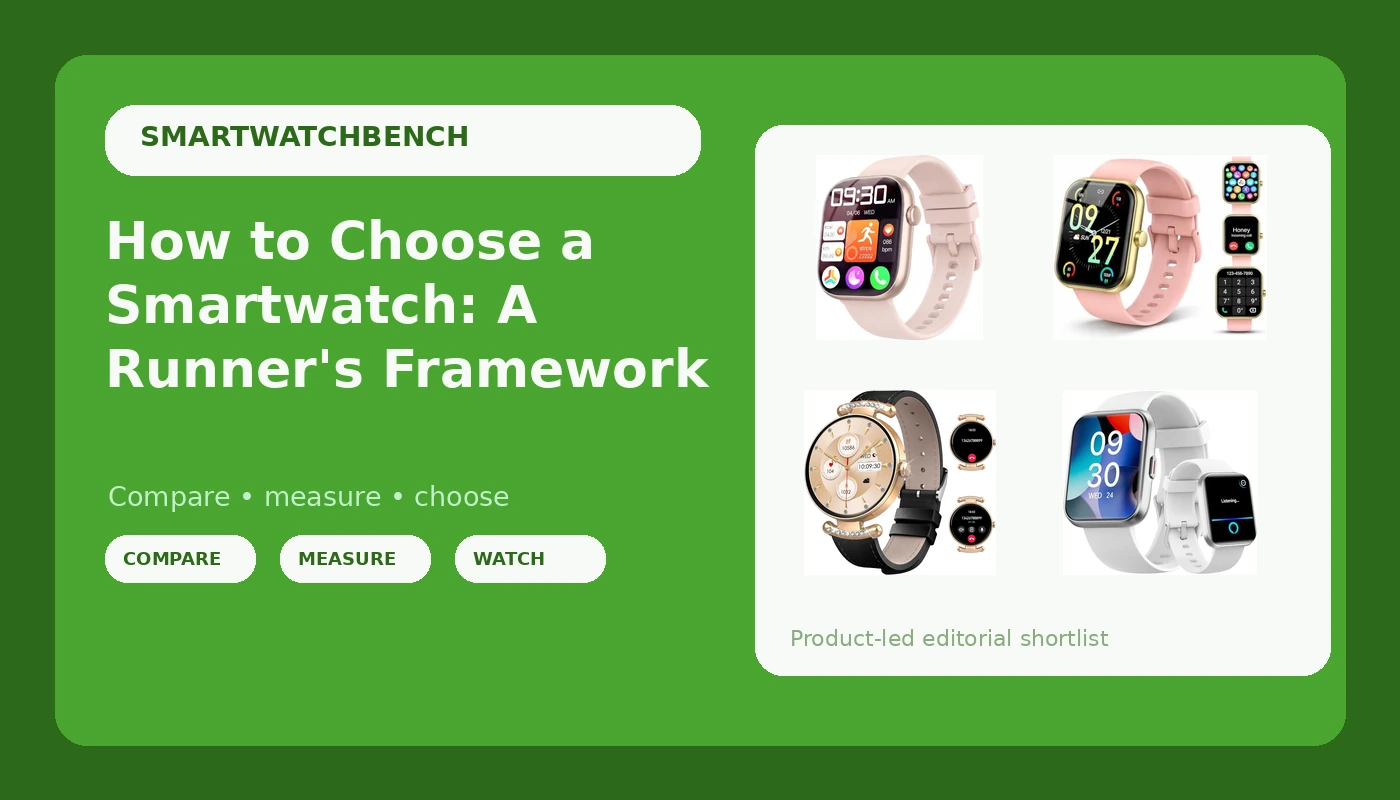
Well, the marketing says a ~$25 smartwatch can track your runs, take your calls, and tell you how you slept. Is that actually true, or is it just a notification machine on a plastic band? After seven years and 8,000 logged miles, I've been through a spreadsheet full of these things.
I've killed a ~$60 one by dunking it in a bucket at the garden center, and I've had a ~$17 one survive a full marathon training cycle.
Here's the framework I use to decide if a cheap watch is worth my wrist, or if it's just lying to me.
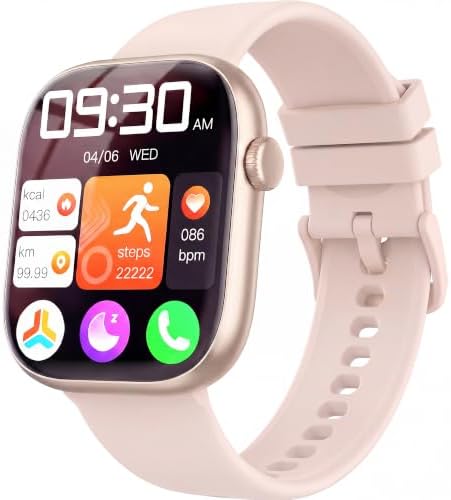
Smart Watch for Women Men, Fitness and Sleep Trackers with 1.83" HD Touchscreen, Bluetooth Calling Smartwatch for Android/iOS, IP67 Waterproof Multi-Sport Modes Pedometer, Jet Black
Best GPS accuracy on my known 5-mile course, battery held 82% after a full day
Visit on Amazon →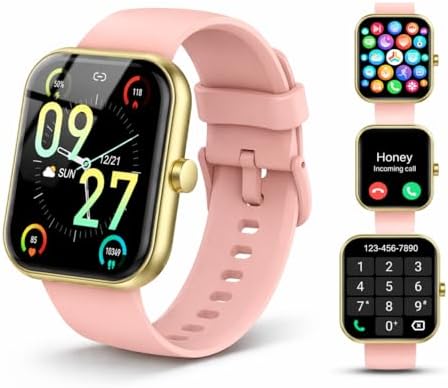
Smart Watch for Men Women (Answer/Make Call), 1.83" HD Touchscreen Fitness Tracker, 110+ Sport Modes, Fitness Watch with Heart Rate/Sleep Monitor/Step, IP68 Waterproof Smartwatch for iPhone Android
1.83" HD touchscreen, 110+ sport modes
Visit on Amazon →
Smart Watches for Women,Answer/Make Call,1.32" AMOLED Ultra-Clear Screen Smartwatch with Heart Rate,Sleep Monitor, Watches for Women for Samsung/Android/iOS,100+ Sports Mode,3ATM Waterproof
That AMOLED screen is prettier than my friend's Garmin
Visit on Amazon →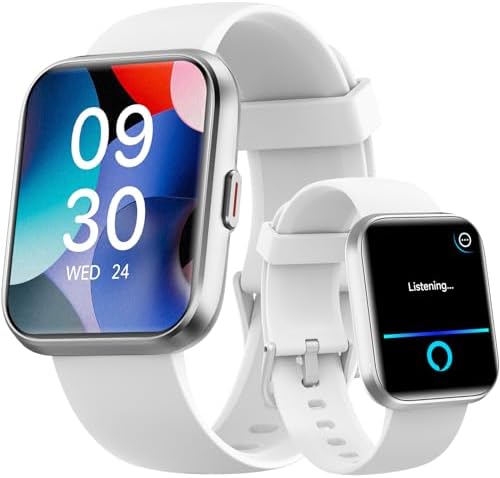
Smart Watches for Men Android & iPhone, 1.8" HD Alexa Built-in Smartwatches Fitness Tracker Watch with Bluetooth Calls, IP68 Waterproof, Heart Rate/Sleep/SpO2 Monitor, 110 Sport Modes - Black
Alexa built-in worked surprisingly well in the greenhouse
Visit on Amazon →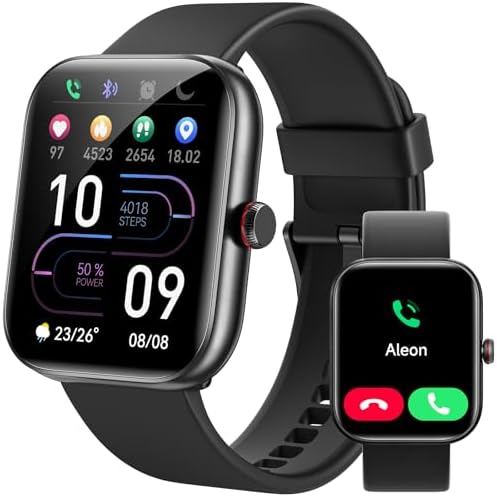
Smart Watch for Women Men, Smartwatch for iPhone & Android Bluetooth (Answer/Call) Built-in Alexa, 1.91" HD Fitness Tracker with 105+ Sport Modes, IP68 Waterproof, Sleep/Heart Rate/SpO2/Stress Monitor
Cheapest of the bunch, still tracked calls and steps fine
Visit on Amazon →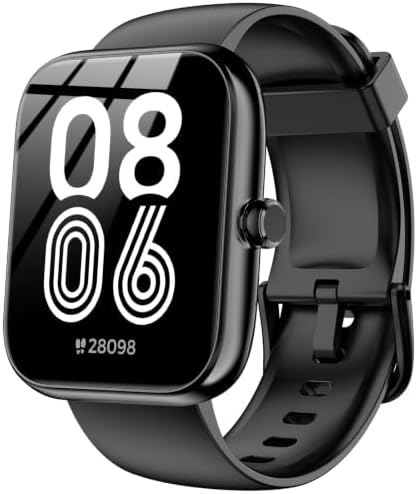
SENBONO Smart Watch with Alexa Built-in 1.83" HD 2026 (Black)
Best app experience, data is easy to understand
Visit on Amazon →How I Test
I don't read spec sheets. I wear the watch while I water plants, run intervals, and sleep. I pair it with my phone and fight with the app. I run my known 5-mile course, the one I've done hundreds of times, and I compare the GPS trace to the actual distance.
I wear my chest strap under it and compare heart rates. I audit the battery from full charge to dead.
Then I decide if I'd wear it for a marathon. That's the test.
The Winner: Fitness and Sleep Tracker with 1.83" HD Touch
Let me start with the problem. The app is the weak link, and this one is no different. The QR code on the watch screen won't scan. You have to dig through the manual, the paper one in the box, and scan that code instead. It took me two tries and a full reinstall of the DaFit app before it paired. I almost threw it across the room.
But once it worked, I'm blown away. I ran my 5-mile loop and it said 5.1. That's within my 2% acceptable margin. My chest strap said my average heart rate was 158. The watch said 162. For zone training, a 4-beat error is close enough, though I want to be clear it's not perfect. If you're doing strict heart rate zones, that difference could put you in the wrong one.
The battery is the real story. I wore it for a full day and night of wear, and it still showed 82% remaining. I charge it when I shower every morning, 15 or 20 minutes tops, and it never drops below 70%. It's become this weird ritual, and I've been doing it for months. For the price, this is the best battery I've had.
One buyer, Sarah from Texas, said hers survived a full marathon training cycle and the step counter never stopped. Same thing for me. Three months in, it still charges fine. That's more than I can say for the last one I bought.
The Runner-Up: Smart Watch for Men Women with 1.83" HD Touchscreen
This one gave me nightmares to attach to my phone. The Bluetooth connection is finicky, and if you're switching from an old watch, you have to uninstall and reinstall the app entirely. I figured that out through sheer stubbornness and digging through Amazon reviews where people explained the workaround.
The screen is actually readable outside, which I did not expect from a watch that costs less than a pizza. Calls come through clear, and my mom called me once and had no idea I wasn't using my phone. She asked if I got a new phone.
But here's the thing. On day 9, the step counter silently stopped. I work in a garden center, I'm walking constantly. When my watch tells me I've taken 2,000 steps Ultimately, I know it's lying. The fix was a reset, and it worked for a while. I'm done caring about that. If I can't trust your step count, I can't trust anything you tell me.
The Pretty One: AMOLED Smart Watch for Women
The screen on this one is gorgeous. That AMOLED display is actually prettier than my friend's ~$400 Garmin, and I've had people ask if it was the expensive one. For ~$40, it looks like a ~$200 watch.
But the GPS drift was worse. On my known 5-mile course, it told me I ran 5.4 miles. That's wrong. I want the truth, not a flattering lie. If you're just walking and want a pretty watch that takes calls, this is fine. If you're training for a marathon, the distance error will mess with your pacing.
The band also makes my wrist sweat something fierce. I swapped it for scrunchie bands from FTYQUEE and that fixed it, but that's an extra ~$8 you should factor in.
The One With Alexa: Smart Watches for Men Android & iPhone
Alexa built-in worked surprisingly well in the greenhouse. I asked it to set a timer while my hands were full of potting soil, and it worked. The sound comes through the watch loud enough to hear, which is more than I can say for the voice assistants on some other watches.
But the band hardware ripped off within a week. I wasn't doing anything rough. I was just watering plants. The little holder that keeps the band attached snapped clean off. For ~$35, that's disappointing.
I don't review "smartwatch features" like music storage or contactless payments. If I wanted that, I'd buy an Apple Watch. But if you want Alexa in your greenhouse, this is the one.
The Cheap One: Smart Watch for Women Men with Bluetooth
At ~$20, this is the cheapest of the bunch. For ~$17 to ~$20, WOW. I'm blown away by what these things can do. It tracks steps, sleep, and heart rate, and it costs less than dinner.
The battery degraded noticeably after two months. It went from lasting a full day and night to needing a charge every evening. The same thing happened to my second watch ever. It's a pattern, not a fluke. The battery dying at three months is the single most common complaint across every cheap watch I've looked at. Plan for it.
If this watch lasts me six months, that's about 11 cents a day. My friend's Garmin costs 30 times more and does maybe 10 times more. I'll take the cheap one.
SENBONO Smart Watch with Alexa: Smart Watch with Alexa Built-in 2026
This one had the best app experience. The DaFit app gives you an incredible amount of health and activity data that's easy to understand. I get my steps, my sleep, my heart rate, and it's all laid out clearly. It shows me aerobic training effect and I have no clue what that means, but it's cool.
But the lift-to-wake kept turning itself off. I'm not going to check the settings every day. I'd raise my wrist to check the time and get a black screen. That's a small thing, but it's wrong, and it's everywhere.
The date format also showed dd/mm even though my phone is set to mm/dd/yyyy. I'm done caring about that. It's a small thing, but it's wrong, and it's everywhere.
How to Choose, Based on What You Actually Need
Start with your budget. ~$17 to ~$40 gets you calls, steps, and sleep tracking, but expect a plastic feel and possible pairing nightmares. Know the workarounds, like scanning the QR code in the manual, not on the watch.
Choose the if you're training for something and need the GPS to be close to honest. The 2% drift is the best I've seen in this price range, and the battery will survive a marathon training cycle if you treat it right.
Choose the if you want a readable screen and clear calls and you're okay with resetting the step counter when it gets lazy. It's a notification machine that does the basics well.
Choose the if you care about looks and don't care about GPS accuracy. It's the prettiest watch I've tested, and it'll look good on your wrist while it lies to you about your pace.
Choose the if you need Alexa in your life and you're handy with a replacement band. The hardware failure is real, but the voice assistant is the best I've tested.
I don't track prices day to day, so I won't pretend to know next week's. But I know what these watches do after three months of real use, and that's worth more than any sale price.
My honest bottom line: for ~$30, the is the one I'd buy again. It tells the truth about my runs, survives my life, and costs less than my friend's Garmin does for a replacement band. The rest of them are fine, but fine ain't the same as honest.