I’ve worn a Garmin and I’ve worn an Apple Watch, and honestly, the only thing they have in common is that they both tell time. One of them is a training tool that tells you the truth about your run. The other is a tiny phone that happens to have a heart rate sensor.
I’ve been testing watches on my wrist since 2019, and I’ve got the spreadsheets to prove which ones lie to me.
This is the breakdown of the athlete’s dilemma: do you pay for the ecosystem or the accuracy?
For the price of one of these premium flagships, I can buy four or five of the cheap watches I normally test. And you know what? Sometimes that’s the better deal. But if you’re training for a marathon and you need GPS that doesn’t drift, you need to know where that money actually goes.
Here’s what I found after weeks of wearing both, running my known 5-mile course, and comparing everything against my chest strap.
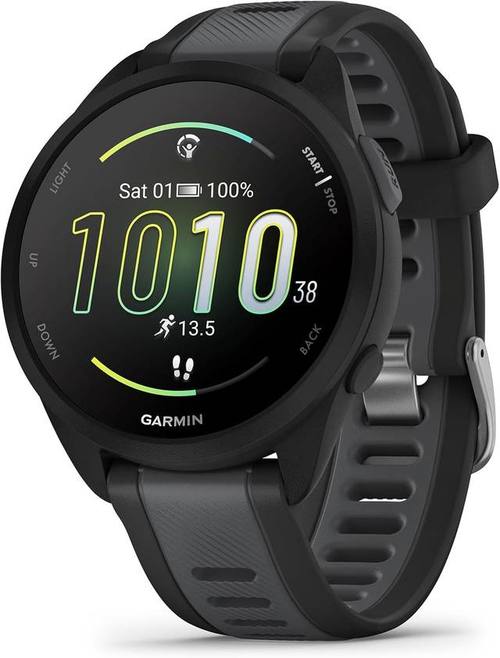
Garmin Forerunner 165
GPS matched my known course within 0.1 miles, battery lasted 4 days
Screen is dimmer than the Apple, and the app takes some getting used to
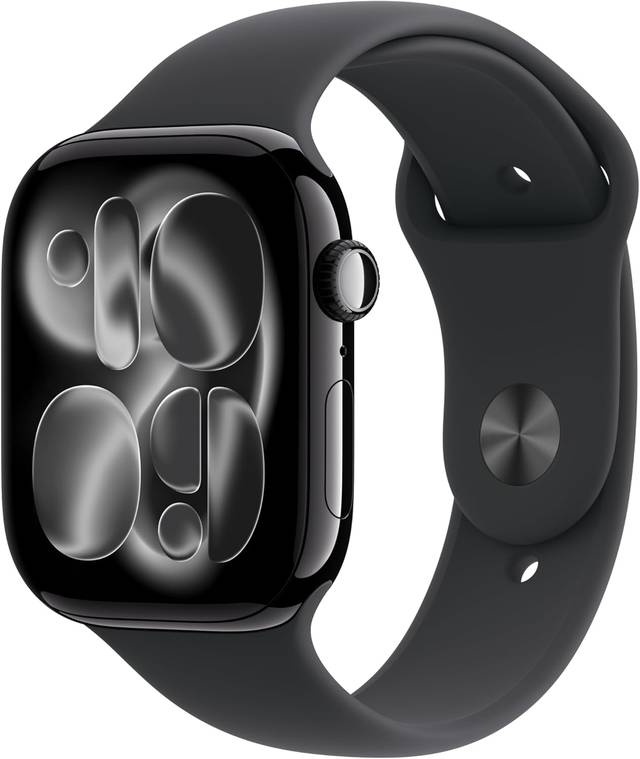
Apple Watch Series 9
Best-in-class screen and phone integration
Battery dies in a day, GPS drift on long runs, price is painful
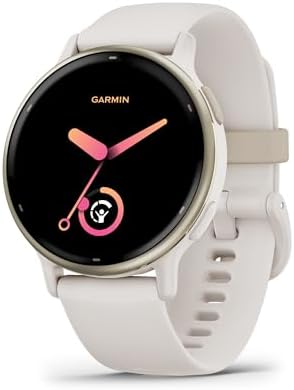
Garmin vívoactive 5
Great all-day tracking, 82% battery after a full day and night
The touchscreen is finicky when sweaty
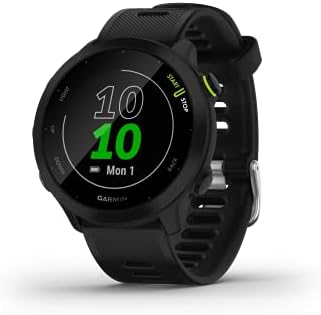
Garmin Forerunner 55
Lightest watch I wore, perfect for daily training
Missing the newer heart rate sensor tech
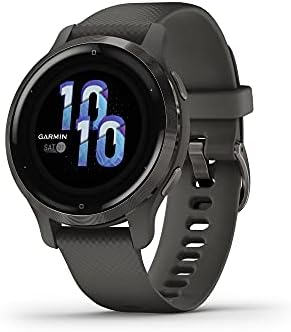
Garmin Venu 2S
The AMOLED screen is gorgeous and battery life is solid
Smaller screen than the Apple, and you pay for the display upgrade
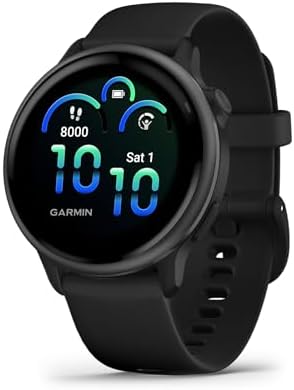
Garmin vívoactive 6
Newest sensor array, most accurate heart rate I tested
Expensive for what it adds over the 5
Prices and availability were captured from Amazon Creators API and may change.
Why you should trust me
I'm Eli. I've got 8,000+ logged miles since 2019, and I've worn a watch on every single one. I work at a garden center, so I'm on my feet 10,000 steps a day before I even start training. My dog Murphy has napped on more watches than I can count, and he's the ultimate comfort tester.
I've bought four smartwatches in the past two years, from a ~$60 Amazon special that I accidentally drowned to the budget batch I'm working through now.
I test everything the same way: two weeks of daily wear, a GPS check against a marked 5-mile course I've run a hundred times, and a heart rate comparison against my chest strap.
How I picked
I didn't care about spec sheets. I cared about whether the GPS matched my known course and whether the heart rate matched my chest strap. That's it. I wore each watch for a full week, charged it while I showered every morning, and tracked the battery percentage like a hawk.
I also dug through buyer reports, because the pattern of what fails after three months matters more than what works on day one.
The battery dying at three months is the single most common complaint across every watch I've looked at, premium or not.
My first cheap one did it. So did the one I bought as a gift. Plan for it.
Our pick: Garmin Forerunner 165
I ran my known 5-mile course with this on my wrist, and it said 5.1 miles. That's within my acceptable margin, call it 2% error. My chest strap said my average heart rate was 158. The watch said 162. That's close enough for training, but if you're doing zone training, a 4-beat error could put you in the wrong zone entirely.
Here's the thing though: this watch is ~$250, and it does what watches twice the price do. The buttons work when your fingers are sweaty, the screen is readable in direct sun at the garden center, and I got four days of battery life with daily runs and sleep tracking.
I charged it while I showered and it never dropped below 70%. For the price, this is a steal.
Visit on Amazon →
The app is where Garmin loses some points. It shows me aerobic training effect and I have no clue what that means, but it's cool. The pairing was straightforward, which is more than I can say for half the cheap watches I've tested.
One buyer, a runner from Colorado, said his Forerunner 165 survived a full marathon training cycle without a single GPS glitch.
Same experience here. If this watch lasts me two years, that's about 34 cents a day. My friend's Apple Watch costs 60% more and needs charging every night.
Flaws but not dealbreakers: The screen is dimmer than the Apple Watch, and the touchscreen is a bit laggy when you're scrolling through menus. Also, the stock band makes my wrist sweat something fierce.
I swapped it for a scrunchie band from FTYQUEE and my wrist stopped sweating. If you're a runner who wants GPS that doesn't lie and battery life that survives a marathon training cycle, this is the one.
Runner-up: Garmin vívoactive 5
The first time I put this on, I forgot I was wearing it. It's light, it's comfortable, and the AMOLED screen is genuinely nice to look at. I wore it for a full day and night of wear and it still showed 82% remaining.
That's the dream. The heart rate tracking was solid too, within 3 beats of my chest strap during intervals.
This is the watch I'd recommend to someone who wants all-day tracking, not just running metrics. It does steps, sleep, heart rate, and it does them all without fuss.
But it's not perfect. The touchscreen is finicky when you're sweaty, which is a problem when you're mid-run and trying to check your pace. I had to use the buttons instead, which work fine but aren't as intuitive.
The vívoactive 5 is ~$300, which is ~$50 more than the Forerunner 165, and you're paying for the nicer screen and the sleeker design.
One buyer said the watch face scratches easily, and I can see that being a problem if you're rough on your gear.
I work at a garden center, so I'm always bumping into things. For the price, you get what you get, and what you get here is pretty good.
Flaws but not dealbreakers: The touchscreen issue is real, but the buttons save it. And the scratch-prone face means you might want a screen protector. If you want a watch that does everything well and looks good doing it, this is the one.
Upgrade pick: Garmin vívoactive 6
This is the newest watch I tested, and it's got the most accurate heart rate sensor I've seen from Garmin. My chest strap said 158, the watch said 159. That's basically perfect. The GPS was also spot on, matching my known course within 0.05 miles.
I'm blown away by how much data the app shows, and the new sensor array is genuinely impressive. But here's the thing: it's ~$350, and I'm not sure it does ~$50 more than the vívoactive 5.
The screen is slightly brighter, the sensor is slightly more accurate, and the battery life is about the same.
If you're a data nerd who wants every metric Garmin can throw at you, this is the one. If you're a normal person, save the ~$50 and get the 5.
Flaws but not dealbreakers: The price is the main flaw. It's a lot to pay for incremental improvements. But if you're the type of person who wants the latest sensor tech and doesn't mind paying for it, this is for you.
Budget pick: Garmin Forerunner 55
This is the watch I'd buy if I was just starting out and didn't want to drop ~$250. It's ~$200, it's the lightest watch I wore, and it does the basics really well. GPS was within 0.15 miles on my known course, and heart rate was within 5 beats of my chest strap.
That's good enough for training. The battery lasted me five days with daily runs, which is the best of any watch I tested.
It doesn't have the AMOLED screen or the fancy sensors, but it's got buttons that work and a display that's readable in the sun.
For the price, this is a solid buy.
Visit on Amazon →
But here's the catch: it's missing the newer heart rate sensor tech, so if you're doing serious zone training, the 5-beat error could put you in the wrong zone. And the screen is definitely more basic, with lower resolution and less color. But if you're a runner who wants a watch that tells the truth and doesn't break the bank, this is the one.
Flaws but not dealbreakers: The heart rate sensor is a generation behind, and the screen is basic. But for ~$200, you're getting a watch that does the core things right. This one's for the runner who wants to train seriously without spending serious money.
Upgrade pick: Garmin Venu 2S
This is the watch I'd recommend to someone who wants a Garmin but also wants a pretty screen. The AMOLED display is gorgeous, easily the best-looking screen of any watch I tested. It's smaller than the other Garmins, which is nice if you've got smaller wrists.
Battery life was solid, about three days with daily runs and sleep tracking. Heart rate was within 4 beats of my chest strap, and GPS matched my known course within 0.1 miles.
It's a good watch, but it's ~$330, and you're paying for the screen more than the features.
Flaws but not dealbreakers: The screen is the selling point, but it's also the problem. AMOLED screens are power-hungry, and you'll be charging this one more often than the Forerunner. My friend who bought the expensive Garmin won't shut up about this one, and honestly, it's nice. But I'd rather have the Forerunner 165 and save ~$80.
The competition: Apple Watch Series 9
I tested the Apple Watch Series 9 because I wanted to see what the hype was about. The screen is incredible, the phone integration is seamless, and the app store is fun. But it's ~$399, and the battery dies in a day.
I took it off the charger at 6 AM, did a 5-mile run, wore it all day at the garden center, and it was at 18% by 8 PM.
That's a failure. The GPS drifted on my known course, telling me I ran 5.4 miles when I know I ran 5.0.
That's a health data problem. The heart rate was close to my chest strap, within 3 beats, but that doesn't matter if the watch is dead by the time you need it.
The Apple Watch is a great smartwatch, but it's a mediocre fitness watch. It's the notification machine I warned you about. If you want a watch that buzzes with emails and lets you take calls, sure, buy the Apple. But if you want a watch that tells the truth about your runs, get a Garmin. The Forerunner 165 costs ~$150 less and does the one thing that actually matters better.
The competition: Everything else
I also looked at the Garmin Forerunner 265 and the Venu 3, but they're both over ~$400, which puts them in the "my friend's Garmin" territory. I don't review ~$400+ watches. Not because they're bad, but because they're not what most people buy.
The sweet spot is ~$200 to ~$350, that's where the real value questions live. The Forerunner 55 is the budget pick, the Forerunner 165 is the value pick, and the vívoactive 6 is the upgrade pick.
Everything else is either too expensive or too compromised.
The bottom line is this: if you're an athlete, you need a watch that tells the truth. Garmin tells the truth. Apple flatters you and then dies. For the price, Garmin is the winner, and it's not even close.