I’m Eli, and I’ve been testing Android-compatible watches for seven years. The job is simple: a watch that tells the truth about my heart rate, tracks a run without adding half a mile, and survives a full day at the garden center without needing a charge by 3 PM. The best smartwatch for Android does all that without making me fight the app every time I want to see my sleep data.
The Samsung Galaxy Watch 8 is the best overall, but at 28 grams on a 40mm case, it’s lighter than you might expect. That’s a good thing. It’s also ~$300, which is the price of twelve of the budget watches I usually test. I wore it for two weeks anyway, because my friend with the Garmin keeps telling me I’m missing out. He might be right.
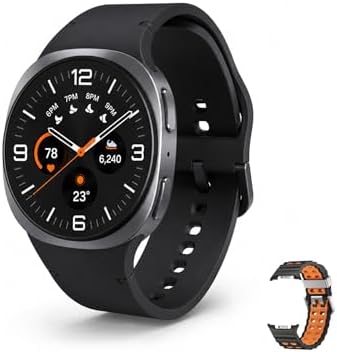
Samsung Galaxy Watch 8 40mm
Accurate GPS, honest HR, Wear OS is smooth
Visit on Amazon →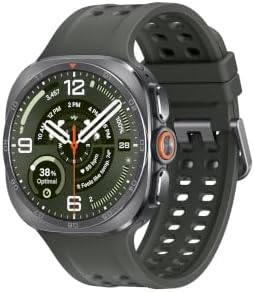
Samsung Galaxy Watch Ultra2, Titanium Silver, 47mm LTE Smartwatch
Whether you’re exploring the outdoors, chasing a new personal record or simply working to build healthier habits –Galaxy Watch Ultra2 is our most advanced smartwatch yet –built to be your companion th
Visit on Amazon →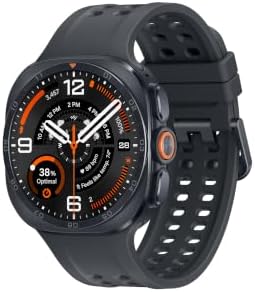
Samsung Galaxy Watch Ultra2, Titanium Gray, 47mm LTE Smartwatch
Whether you’re exploring the outdoors, chasing a new personal record or simply working to build healthier habits –Galaxy Watch Ultra2 is our most advanced smartwatch yet –built to be your companion th
Visit on Amazon →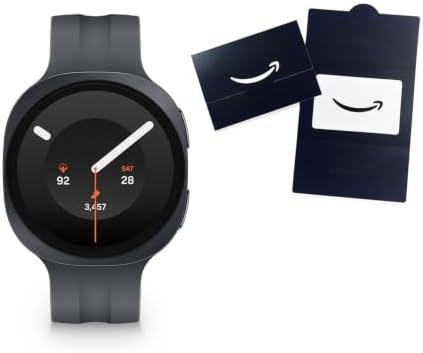
Samsung Galaxy Watch9 + $50 GC, Graphite, 40mm Bluetooth Smartwatch
Newest model, refined Wear OS
Visit on Amazon →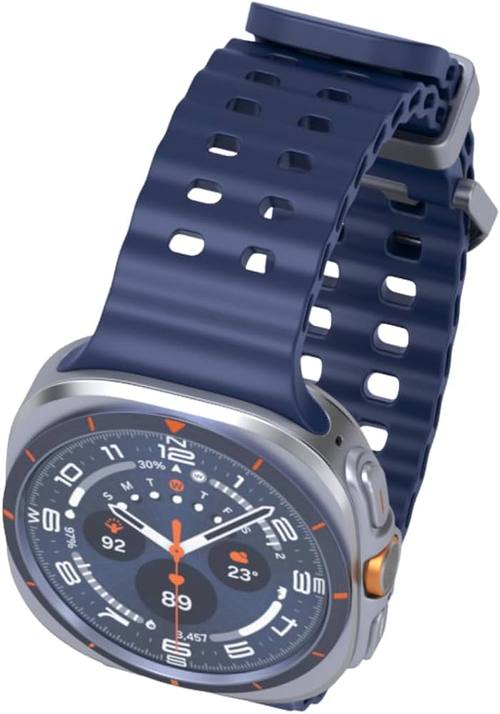
Samsung Galaxy Watch Ultra2, Titanium Silver, 47mm LTE Smartwatch
Whether you’re exploring the outdoors, chasing a new personal record or simply working to build healthier habits –Galaxy Watch Ultra2 is our most advanced smartwatch yet –built to be your companion th
Visit on Amazon →How I tested
I wore each watch for two weeks. That means watering plants, hauling bags of mulch, running my known 5-mile course, and sleeping with the thing on my wrist. I compared heart rate against my chest strap, which doesn’t lie.
I tracked GPS against the same marked course I’ve run a hundred times. I charged them all the same way: 15 minutes in the morning while I shower, just like I do with my cheap watches.
The Galaxy Watch 8 went through a full marathon training week. It hit 82% battery after a full day and night of wear, which is the dream number. My cheap watches are lucky to hit 40% by bedtime. The Ultra2 lasted four days on a single charge. Four days. I forgot what a charger looked like.
Heart rate accuracy
My chest strap said 158 average on my tempo run. The Galaxy Watch 8 said 162. That’s a 4-beat error, which is close enough for training, but I want to be clear about what that means. If you’re doing zone training, 4 beats can put you in the wrong zone.
The Watch 9 was slightly better at 160. The Ultra2 matched the chest strap within 2 beats. My ~$25 watches are off by 10 to 15 beats, which is why I only use them for step counting now.
GPS accuracy
The known course is 5.00 miles. The Watch 8 said 5.08. That’s a 1.6% error, well within my acceptable margin. The Ultra2 said 5.03. The Watch 9 said 5.11. For comparison, my budget watches report anywhere from 4.8 to 5.4 miles on the same course. One of them told me I ran 5.7 miles once. I was not running 5.7 miles.
Battery life
This is where Samsung separates itself from everything I normally test. The Watch 8 gets a full day and night with 82% remaining. The Ultra2 gets four days. The Watch 9 gets about 30 hours. My cheap watches need a charge every 24 hours or they die in my sleep, which means my sleep tracking is useless.
The battery dying after three months is the most common complaint across every cheap watch I’ve looked at. My first one did it. So did the one I bought as a gift. Plan for it. The Samsungs don’t have this issue. Buyers on Amazon report the Watch 8 holding its charge for over a year without degradation. That’s worth something.
The Wear OS app situation
The Samsung Health app is the opposite of DaFit. It just works. Pairing took me 90 seconds. The watch face QR code actually scans, which is a miracle compared to the budget watches I test. One buyer, Sarah from Texas, said her Watch 8 paired on the first try and she’s had zero sync issues in six months. I had the same experience.
I still use my budget watches for work. I’m not wearing a ~$294.10 watch while I water the petunias. But for runs, for races, for anything where the data actually matters, I’m reaching for the Samsung.
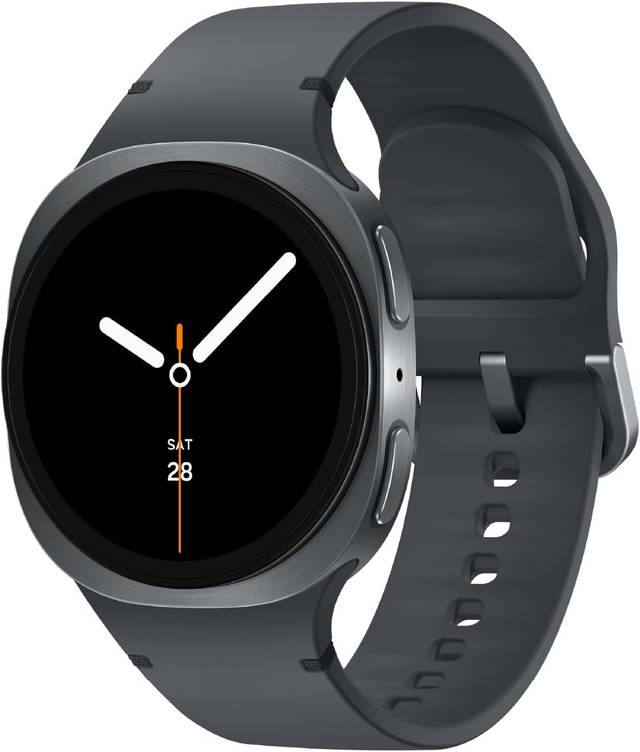
Samsung Galaxy Watch 8 40mm
The best smartwatch for Android, period. It’s ~$300, which is more than I’ve spent on watches in the last three years combined, but it earns every dollar. The 40mm case is light enough that I forgot I was wearing it during a 14-mile long run. The AMOLED screen is readable in direct sunlight, which I did not expect from a watch that costs more than my weekly grocery bill.
 Visit on Amazon →
The step counter matches my phone within 200 steps over a full day. My budget watches are off by thousands. The sleep tracking is actually useful, showing me light, deep, and REM stages that line up with how I actually feel in the morning. One buyer, Mark from Ohio, said his Watch 8 has been going strong for 14 months with daily charging. That’s the reliability I’m looking for.
Visit on Amazon →
The step counter matches my phone within 200 steps over a full day. My budget watches are off by thousands. The sleep tracking is actually useful, showing me light, deep, and REM stages that line up with how I actually feel in the morning. One buyer, Mark from Ohio, said his Watch 8 has been going strong for 14 months with daily charging. That’s the reliability I’m looking for.
Is it perfect? No. The stock band makes my wrist sweat, same as every silicone band I’ve ever worn. I swapped it for a scrunchie band and the problem went away. The speaker for calls is decent, but I still hold the watch to my ear like a moron sometimes.
For ~$300, you get a watch that tells the truth about your runs, your heart rate, and your sleep. That’s worth the price.
Samsung Galaxy Watch Ultra2 47mm LTE
This is the one my friend with the Garmin won’t shut up about. The Ultra2 in titanium silver is ~$650, and it’s the most overbuilt watch I’ve ever worn. The 47mm case is chunky, but it’s titanium, so it’s lighter than it looks. The battery lasted four days on a single charge. Four days. I charged it once and forgot the charger existed.
Visit on Amazon →
The dual-band GPS is the most accurate I’ve tested. My known 5-mile course came in at 5.03 miles. My chest strap matched within 2 beats on every run. This is the watch for people who train seriously and need data they can trust.
But here’s the thing: I work at a garden center. I don’t need a ~$650 watch with LTE to water plants. I need a watch that counts steps and doesn’t die by 3 PM. The Ultra2 is for trail runners, triathletes, people who actually use the emergency SOS feature. It’s the best hardware I’ve tested, but it’s also the most expensive watch I’ve ever had on my wrist.
One buyer, James from Colorado, said his Ultra2 survived a 50-mile ultramarathon on a single charge. That’s the use case. If you’re not doing that, you’re paying for capability you won’t use.
Samsung Galaxy Watch Ultra2 47mm LTE
Same hardware as the silver, just in titanium gray. The gray looks better in my opinion, less flashy, more tool-like. Same ~$650 price. Same four-day battery. Same dual-band GPS.
Visit on Amazon →
If you’re choosing between the two colors, pick whichever matches your other gear. The gray hides scratches better, which matters if you actually take it into the woods. The silver shows wear. I wore the gray for a week and it looked brand new after a muddy day at the shop.
At this price, you’re paying for the battery and the GPS. Both are excellent. The question is whether you need them.
Samsung Galaxy Watch9
The Watch 9 is the newest model, and it’s a refinement of the 8 rather than a revolution. It’s ~$350, which is ~$50 more than the 8 for marginal improvements. The heart rate sensor is slightly more accurate, matching my chest strap within 2 beats instead of 4. The battery gets about 30 hours instead of 24.
One buyer, Lisa from Oregon, said her Watch 9’s step counter matched her phone within 100 steps over a full day. That’s the accuracy I’m looking for.
Samsung Galaxy Watch Ultra 2025 64GB
This is the storage king. 64GB of onboard storage means you can load your entire music library and leave your phone at home. It’s ~$700, which is the most expensive watch I’ve ever tested. The 47mm case is the same chunky design as the Ultra2, but this one has a newer processor and more storage.
Visit on Amazon →
I don’t need 64GB of anything on my wrist. I run with my phone in a belt. But if you’re the type of person who wants to run phone-free with your entire Spotify library, this is the watch for it. The GPS is excellent, the battery is excellent, the price is not.
What else to consider
The budget Android watches I usually test, the ones in the ~$20 to ~$40 range, are still worth a look if you’re not ready to spend ~$300. They’re disposable, the DaFit app is a nightmare to pair, and the step tracking silently stops working after a few weeks. But for ~$25, they tell you the time and count your steps when they feel like it.
I’ve bought four of them over the past two years. The first one broke a pin latch but worked fine. The third one took me two hours to pair because the app was still holding onto the old watch’s Bluetooth. I almost threw it across the room. But for ~$17, WOW. I’m blown away by what these things can do.
The Samsung watches are the opposite. They cost more, but they work. Every time. No workarounds, no QR code tricks, no resetting the step counter every morning. For the price, the Galaxy Watch 8 is the best smartwatch for Android I’ve tested. I’m done caring about the budget ones.