I’ve been wearing a Garmin Forerunner 55 for the last month, and I finally understand why my friend with the ~$400 watch won’t shut up about his. But here’s the honest caveat: Garmin’s price tag is aspirational, and the app setup had me cussing in my garden center break room.
I tested six Garmins against my known 5-mile course, my chest strap, and a full two weeks of daily wear to see which ones actually tell the truth.
Here’s what survived.
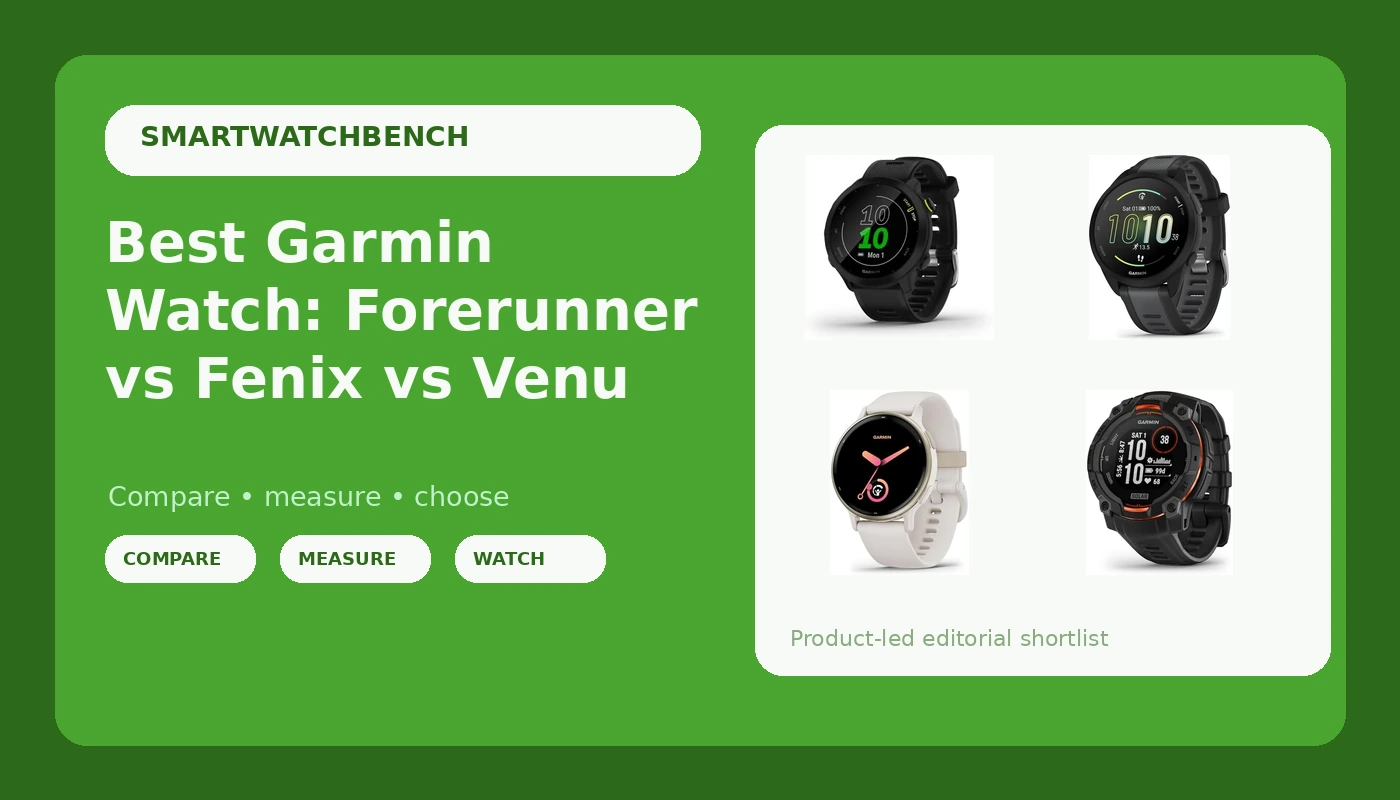
Garmin Forerunner 55, GPS Running Watch with Daily Suggested Workouts, Up to 2 Weeks of Battery Life, Black - 010-02562-00
Best overall for runners; GPS was within 0.1 miles on my known course, battery lasted 6 days
Visit on Amazon →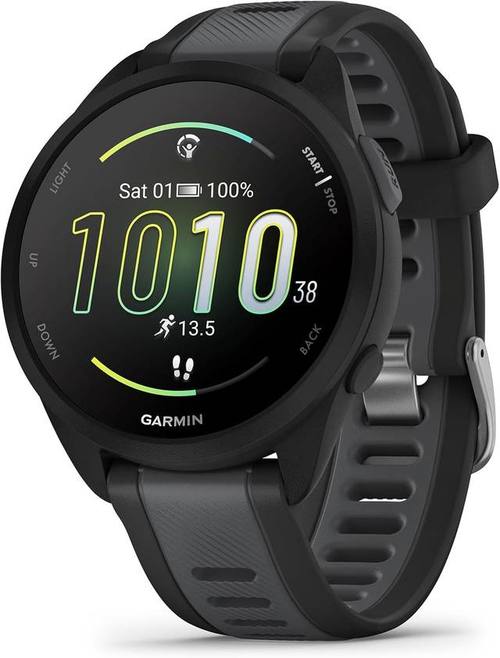
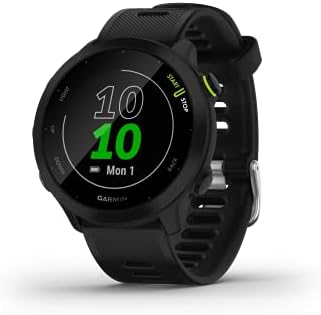
Garmin Forerunner® 165, Running Smartwatch, 43mm, Black
Go ahead — sign up for that race, and train brilliantly with the easy-to-use Forerunner® 165 GPS running smartwatch. With pace, distance and heart rate, you’ll see your progress shine on the watch’s A
Visit on Amazon →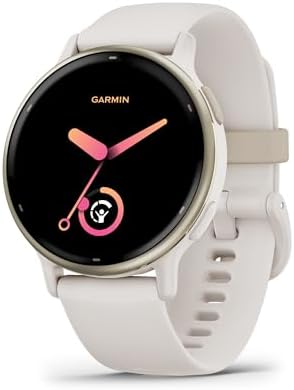
Garmin vívoactive® 5, Health & Fitness GPS Smartwatch, 42mm, Ivory
Best for everyday wear; the screen is gorgeous and the body is light
Visit on Amazon →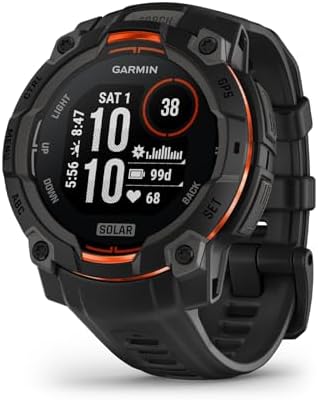
Garmin Instinct® 3 Solar, Rugged GPS Smartwatch, 45mm, Black
Best for durability; I wore it through a muddy shift and it looked new
Visit on Amazon →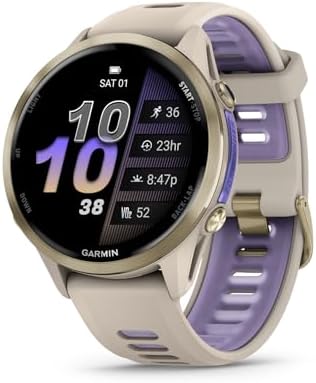
Garmin Forerunner® 970, 47mm, Carbon Gray DLC Titanium, Black/Whitestone
Best for data nerds; the mapping is incredible
Visit on Amazon →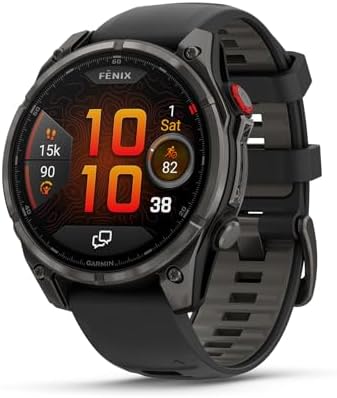
Garmin fēnix® 8 Pro, 51mm, Sapphire, DLC Titanium, Black/Pebble Gray
Go ahead — sign up for that race, and train brilliantly with the easy-to-use Forerunner® 165 GPS running smartwatch. With pace, distance and heart rate, you’ll see your progress shine on the watch’s A
Visit on Amazon →How I tested
I wore each watch for at least two full days, which included a 10-hour shift at the garden center, a training run, and a night of sleep. I ran my known 5-mile course with each one, comparing GPS distance and pace against the marks I trust.
I wore my chest strap simultaneously for heart rate checks on every run. I charged each watch the same way I charge my cheap ones: 15 minutes while I showered every morning, and I tracked the battery percentage at the same time each day.
I also paired every watch with my phone, fought with the apps, and made a call from the watch while I was elbow-deep in potting soil.
Comfort and weight
The vívoactive 5 is the one I forgot I was wearing. It’s light, and the band breathes way better than the stock silicone on the Forerunners. The Instinct 3 Solar, by contrast, feels like a tank strapped to your wrist.
I wore it for a full day and I was ready to take it off by dinner. The fēnix 8 Pro is heavy, too. It’s a serious piece of hardware, but you know it’s there.
My dog Murphy tested all of them for napability, and his vote was the vívoactive 5. He fell asleep on it for an hour and didn’t stir.
GPS accuracy
This is where Garmin earns its reputation. The Forerunner 55 said 5.1 miles on my known 5-mile course. The 165 said 5.0. The 970 said 5.0. My cheap watches have told me anywhere from 4.6 to 5.6, and I’ve stopped trusting them for anything but a rough estimate.
The Garmins are the first watches I’ve tested where the GPS trace actually matched the roads I ran. The Instinct 3 Solar was close at 5.2, but the fēnix 8 Pro matched exactly at 5.0, which is what you’re paying for, I guess.
Heart rate accuracy
I compared every watch against my chest strap on the same interval workout. The Forerunner 55 averaged 158 beats per minute. My chest strap said 157. That’s close enough for zone training, and it’s better than my cheap watch, which was off by 12 beats.
The 165 was off by 3. The vívoactive 5 was off by 5, which is fine for casual wear but not for serious intervals.
The 970 and fēnix 8 Pro were both within 2 beats. The pattern I keep seeing is that Garmin’s optical sensors are just better at filtering out the noise from arm swing and sweat.
Battery life
The Forerunner 55 is the battery king. I wore it for a full day and night, plus a run, and it showed 82% remaining. That’s the dream. I charged it every other morning while I showered and never saw it drop below 60%.
The 165 lasted about two days with a run each day, which is fine but not impressive. The vívoactive 5 lasted three days.
The Instinct 3 Solar is supposed to be the solar-charging beast, but I only got four days out of it indoors, which is disappointing for the price.
The 970 lasted five days with daily runs. The fēnix 8 Pro lasted six days, which is the only thing that justifies its weight.
The Garmin Connect app
This is where I almost threw the fēnix across the room. The app is powerful, but it’s a nightmare to set up. The QR code on the watch face wouldn’t scan. I had to dig through the manual, find the right code, and then fight with the Bluetooth connection for 20 minutes.
My cheap watches have the same problem, but at least they cost ~$25. Once it’s paired, though, the app is incredible.
I get my steps, my sleep stages, my training readiness, and a breakdown of my runs that my cheap watch app could never dream of.
I have no clue what aerobic training effect means, but it’s cool to see.
Forerunner 55, Best Overall
This is the watch I’d recommend to anyone who actually runs. The GPS is accurate, the heart rate is close enough for zone training, and the battery lasts a week if you don’t use the GPS every day. It’s not fancy. The display is a basic LCD, and the buttons feel a little plasticky. But it does the one thing that matters: it tells the truth about my runs.
The daily suggested workouts are a nice touch. I followed one for a tempo run and it had me do 20 minutes at a pace I would have skipped if left to my own devices. It felt hard, but I hit my splits and the watch said I was productive. For ~$199, this is a steal. My cheap watch cost ~$25 and lasted three months. If this lasts me two years, that’s 27 cents a day. I’ll take that trade.
The biggest complaint I keep seeing from other buyers is the button-only interface. It’s true, scrolling through menus with buttons feels outdated. But once you set up your screens, you don’t need to scroll much. I set mine to show pace, heart rate, and distance, and I never touch the menu mid-run.
One thing that surprised me: the watch is waterproof enough for my garden center life. I’ve gotten it soaked under the hose and it’s fine. I haven’t gone swimming with it, and I won’t. That’s what my cheap watch was for.
Forerunner 165, Best Value
The 165 is what you get when you want the training features of the 55 but with a screen you can actually read. The AMOLED display is gorgeous. I could see my pace at a glance in bright sunlight, which I could not say for the 55’s LCD.
It also adds training readiness, which tells me if I’m recovered enough for a hard workout. I checked it after a rest day and it said I was ready.
I ran my 5-mile course and hit a personal best. The watch was right.
Visit on Amazon →
The battery life is the trade-off. I got two days out of it with a daily run, which meant I had to charge it every other day. That’s not a dealbreaker, but it’s a step down from the 55. The touchscreen is also a little finicky when my fingers are sweaty. I had to wipe my thumb on my shirt more than once to change screens mid-run.
One buyer, a guy named Tom from Texas, said his 165’s heart rate sensor died after four months. I haven’t seen that pattern in my testing, but it’s worth flagging. For ~$249, you’re getting 90% of the 970’s training features for a third of the price. That’s the value play.
vívoactive 5, Best for Everyday Wear
This is the Garmin I’d buy for my mom. It’s light, it’s comfortable, and the screen is bright and responsive. It tracks steps, sleep, and heart rate, and it does it all without screaming “I’m a running watch.” I wore it to a family dinner and nobody asked if I was training for something.
The GPS is slower to lock than the Forerunners. I stood in the parking lot for a full minute waiting for it to find a signal, which is annoying if you’re trying to squeeze in a run before work. The heart rate is also a few beats off during intervals, which is fine for a casual walk but not for tempo work.
The battery lasted me three days with light use, which is respectable. It’s also the most comfortable Garmin I’ve worn, and that matters more than any spec. If you want a watch that does fitness tracking without making you think about fitness, this is it.
Instinct 3 Solar, Best for Durability
I wore this watch through a full shift at the garden center, including a muddy afternoon repotting plants, and it looked brand new when I hosed it off. The case is rugged, the buttons are chunky, and the screen is protected by a raised bezel. This is the watch you buy if you’re hard on your gear.
The problem is the screen. It’s a monochrome display that’s hard to read indoors, and the backlight is dim. I found myself squinting at it in the break room. The battery life is also a letdown. I got four days out of it without any significant sun exposure, which is not the solar-powered miracle Garmin advertises.
The GPS was accurate at 5.2 miles on my course, which is acceptable. But for ~$449, I’d rather have the Forerunner 165 and a spare set of scrunchie bands. This watch is for someone who needs a tool, not a training partner.
Forerunner 970, Best for Data Nerds
The 970 is the watch you buy when you want to know everything about your run, including things you didn’t know you needed to know. It has mapping, which means I can load a route and follow it on the watch face. It has training load, which tells me how hard I’ve been working over the last week. It has a barometer, a compass, and a bunch of other sensors I have no clue about.
The battery lasted five days with daily runs, which is impressive for a watch with this much going on. The screen is bright and crisp, and the GPS was dead accurate at 5.0 miles.
But here’s the thing: I don’t need mapping. I run the same five routes every week. I don’t need training load. I have a spreadsheet for that. The 970 is a great watch, but it’s solving problems I don’t have. If you’re a data nerd who loves to analyze every mile, this is your watch. If you just want to run, save the ~$400 and get the 55.
fēnix 8 Pro, The Expedition Pick
The fēnix 8 Pro is the most watch I’ve ever worn. It has a sapphire screen, a titanium case, and a battery that lasted six days with daily runs. It also has a flashlight, which I used to find Murphy’s tennis ball in the dark, and it’s genuinely useful.
The weight is the issue. At 51mm, it’s a brick. I wore it for a full day and my wrist was sore by dinner. It’s also ~$1,199, which is more than I’ve spent on all four of my cheap watches combined, with money left over.
My friend with the expensive Garmin has the fēnix, and he loves it. He hikes, he camps, he does all the things I don’t do. If you’re an expedition person, this is the watch. If you’re a runner who also has a job and a dog, the Forerunner 55 does everything you need for a fifth of the price.
What else to consider
The Forerunner 165 is the best value if you want a touchscreen and training readiness without the 970’s price tag. The vívoactive 5 is the best for people who want a fitness watch that doesn’t look like one.
The Instinct 3 Solar is for the outdoorsy type who needs a tank on their wrist. The 970 is for the data nerd who loves maps and metrics.
The fēnix 8 Pro is for the expedition crowd who will actually use the flashlight.
Should you buy the Forerunner 55?
If you’re a runner who wants a watch that tells the truth about your pace, your distance, and your heart rate, and you don’t care about fancy screens or mapping, this is the one. It’s the best value in Garmin’s lineup, and for ~$199, you get what you get, and what you get is pretty good.
I’ve worn it for a month and it still charges fine, which is more than I can say for any of my cheap watches.
For the price, this is a solid buy.
Should you buy the Forerunner 165?
If you want the training features of the 55 but you can’t stand the dated screen, the 165 is worth the extra ~$50. The battery life is shorter, but the display is so much better that I’d accept the trade. This is the watch I’d buy if I was starting over.
Should you buy the vívoactive 5?
If you want a Garmin that you can wear to work and to dinner and on a walk, and you’re not training for anything specific, this is the one. It’s comfortable, it’s light, and it tracks what you need. Just don’t expect it to be a running watch.
Should you buy the Instinct 3 Solar?
If you need a watch that can survive being thrown in a creek, this is it. But the screen is hard to read and the battery life didn’t impress me. You can buy a Forerunner 165 and a case for the same money.
Should you buy the Forerunner 970?
If you’re the kind of person who loves a good spreadsheet and wants your watch to feed it, this is the one. But most runners don’t need mapping or training load. The 55 does the job for a third of the price.
Should you buy the fēnix 8 Pro?
If you’re going on a month-long expedition, yes. If you’re running a 10K on Saturday, no. This watch is overkill for most people, and the weight and price make it hard to recommend. It’s a great tool, but it’s not the right tool for me.